Science
What does research actually show about brain training? Here we look at what improves with practice, what transfers to other abilities, and which popular claims do not hold up — with references you can check.
How we review evidence → · Editorial policy
Brain Training: Facts vs Myths

Common myths
Do We Only Use 10% of Our Brain? Why the Myth Is Wrong
Why the 10% brain myth is wrong, what the brain's energy use and sparse neural activity really show, how many people believe it, and the left-brain myth.

Myth check
Does Chess Make You Smarter? What the Evidence Shows
Chess players score higher on cognitive tests, but teaching chess has not been shown to raise intelligence or school results. What the trials found.

Myth check
Does Having Your Phone Nearby Reduce Brainpower?
The 2017 brain drain study, a failed replication and two meta-analyses: why a silent phone nearby matters little, and why notifications are a different story.

Common myths
How Long Does It Take to Form a Habit? Not 21 Days
Where the 21-day rule came from, what the 66-day study measured, why times ranged from 18 to 254 days, and what helps a routine become automatic.

Myth check
Is Your Attention Span Shrinking? The 8-Second Myth
Where the 8-second, shorter-than-a-goldfish figure came from, what attention researchers measure instead, and why switching habits are not shrinking capacity.

Myth check
Is the 10,000-Hour Rule True? What Practice Research Shows
The 10,000-hour rule grew from a 1993 violin study. What that study found, what later meta-analyses and a replication showed, and what practice explains.

Common myths
Is the Mozart Effect Real? What the Studies Actually Found
What the 1993 Mozart study really tested, why the short-lived lift comes from mood and arousal, not Mozart, and how listening differs from learning to play.

Common myths
Is Willpower a Limited Resource? What Replications Found
Where the ego-depletion idea came from, why two large multilab tests found effects near zero, and what is still open, including the role of fatigue.

Common myths
What Is the Yerkes-Dodson Law? What the 1908 Study Showed
The inverted U of stress and performance is not in the 1908 paper. What the mouse experiment tested, how it became a law, and what stress research shows.

Common myths
Does Speed Reading Work? What Reading Research Says
Speed reading trades understanding for speed. What reading research shows about reading rates, skimming and one-word-at-a-time apps, and what helps instead.

Common myths
Can You Read Jumbled Words? The "Cambridge" Myth Explained
There was no Cambridge study. Jumbled middle letters are often readable, but always slow reading down. What eye-tracking research shows, and why it varies.

Common myths
Are Learning Styles Real? What the Evidence Shows
People have preferences, but teaching matched to a visual or auditory learning style has not been shown to help. What the studies tested, and what works instead.
Common myths
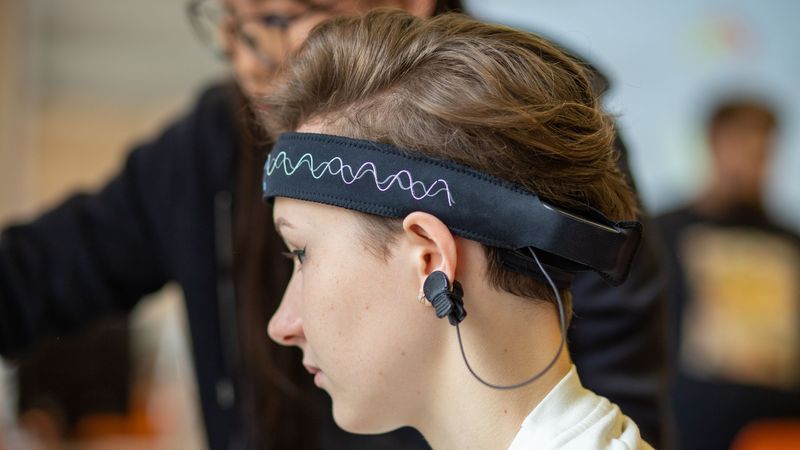
Does Neurofeedback Work? What the Research Shows
In healthy adults, neurofeedback's small gains on attention tests disappear against sham feedback. What trials, ADHD research and placebo effects show.

Common myths
Do brain games raise your IQ?
What dual n-back and other brain-training studies found about intelligence: practice improves the trained task, but meta-analyses show no convincing IQ gains.
Research reviews

Research review
Caffeine and Focus: What the Evidence Shows
What caffeine does to alertness, attention, reaction time and memory, the withdrawal-reversal debate, its effect on sleep, and official safety limits.

Research review
Do Brain Games Prevent Dementia? What the Trials Show
No brain game has been shown to stop or delay dementia. What Cochrane reviews and the ACTIVE trial's 10- and 20-year follow-ups found, and their limits.

Research review
Do Video Games Improve Cognition? Why the Studies Disagree
Two big meta-analyses disagree on whether video games improve cognition. What each found, and how game genre, control groups and study quality explain it.

Research review
Does AI Make You Worse at Remembering? What Research Shows
Cognitive offloading, the Google effect and its replications, and a field experiment with AI tutors: what relying on tools does to memory, and how to retrieve first.

Evidence review
Does Creativity Training Work? What 169 Studies Show
Creativity training lifts creativity-test scores by about 0.3 SD after correcting for publication bias, less in the best studies. What was measured, and in whom.

Research review
Does Dual N-Back Work? What Improves and What Doesn't
Dual n-back reliably improves dual n-back. What trials found for working memory and fluid intelligence, and why control groups and expectations matter.

Research review
Does Learning a Language Improve Cognition? The Evidence
The bilingual advantage in executive function shrinks to zero after correcting for publication bias. What trials and cohort studies show about learning a language.

Research review
Does Learning an Instrument Help Your Brain? The Evidence
Musicians score higher on cognitive tests, but randomised music training shows small or no effects beyond music. What the trials and meta-analyses actually found.
Research review
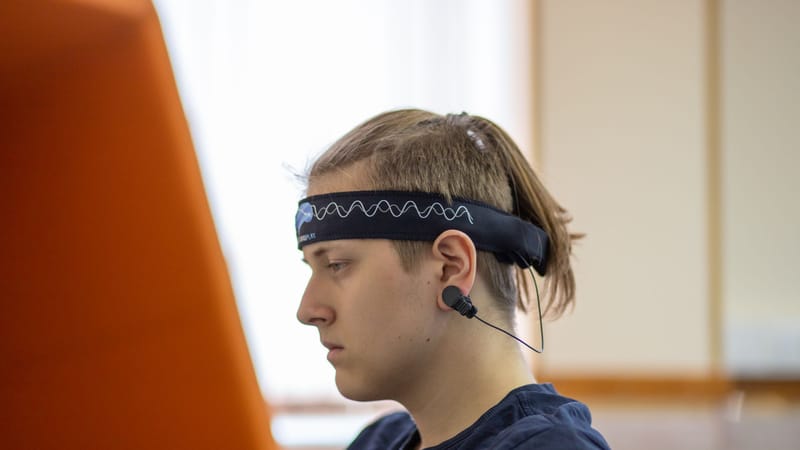
Does tDCS Improve Cognition? What the Research Shows
In healthy adults, tDCS shows no reliable effect on memory or thinking, and its studies look underpowered. What trials, clinical guidelines and DIY warnings say.
Research review
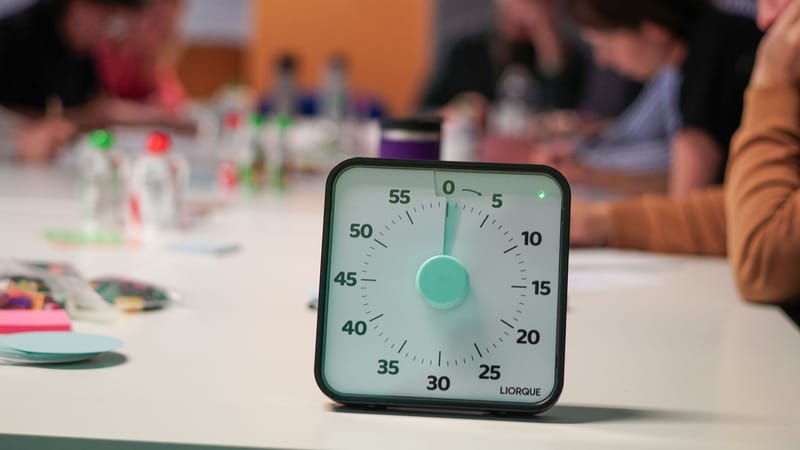
Does the Pomodoro Technique Work? What Studies Show
Two one-session studies with students compared Pomodoro breaks with other break schedules. What they measured, what they found, and how to pick a session length.

Research review
Does Dual-Task Training Improve Multitasking?
Practising two tasks together improves that pair, and sometimes similar pairs. What dual-task training studies found, in whom, and where transfer stops.

Evidence review
Do Spot the Difference Games Improve Memory?
Spot-the-difference puzzles use comparison and brief retention, but does practice improve memory beyond the game? Separate task demands from evidence of transfer.

Research review
Do Binaural Beats Work? What the Research Shows
Binaural beats are a real auditory illusion. What meta-analyses and EEG studies found about focus, memory, anxiety and sleep, and why the results conflict.

Research review
Does the Memory Palace Work? What the Research Shows
Using a memory palace improves recall of word lists, especially in order. What meta-analyses and training studies found, in whom, and what is unproven.

Research review
Does Meditation Improve Attention? What the Research Shows
What meta-analyses found about meditation and attention: small gains on some lab measures, mixed results against active controls, and open questions.

Research review
How Does Exercise Affect Brain Health and Cognition?
Exercise and cognition: what trials and meta-analyses found, why stricter analyses find smaller gains, single sessions, the hippocampus and WHO advice.

Research review
Does Brain Training Work? What the Research Shows
Brain training improves the practised task. What meta-analyses and the ACTIVE trial found about transfer, daily life and durability, and why studies disagree.