Deliberate Practice
Evidence for: the practiced skill
Deliberate practice means picking one specific weak point in a skill, practising it with quick feedback, correcting errors and then raising the difficulty a little. The gains are in the skill you practise, not in general ability, and research suggests practice is only part of why people differ.
Who it suits
A good fit if you
- are learning a skill with a clear right and wrong, such as an instrument, a sport, a language, coding or exam problems
- feel stuck at a plateau even though you practise regularly
- can get feedback: an answer key, a recording of yourself, a teacher, a coach or a colleague
- are happy to spend short blocks on the parts you find hardest
Take care or choose something else if
- you want a quick route to expertise: practice explains only part of the differences between people
- you are already worn out; focused practice is effortful and works best fresh
- you practise a physical skill with pain or an injury: rest and check with a doctor or physiotherapist first
- you tend to be very self-critical; here mistakes are information, not verdicts
How to practise
- Choose one narrow weak pointNot “get better at piano” but “bars 12–16 at a slow tempo” or “past-tense verbs in Spanish”. Pick the thing that most often goes wrong.
- Set a target you can checkWrite what success looks like this session, for example “three clean run-throughs in a row at a slow tempo” or “8 of 10 problems right”. Vague targets cannot be checked.
- Start a focused block on the Deep Work TimerType the target as your task, choose 25 or 50 minutes (5 or 10 to get going), and press “Start focusing”. When your mind wanders, tap “I got distracted”; the clock keeps running.
- Work just beyond what you can already doSlow down, break the hard part into pieces and repeat the piece that fails. It should feel effortful but possible. If nothing works, make the piece smaller.
- Get feedback fastCheck against an answer key, record yourself and listen back, or ask a teacher, coach or colleague. Feedback within minutes beats feedback next week.
- Fix one error at a timeName the error (“I rush the left hand”), change one thing and try again.
- Raise the difficulty a littleOnce you meet the target on two different days, make it slightly harder: a faster tempo, mixed problem types, less time, a real audience.
- End with a short noteAfter the chime, write what you worked on, what improved and the next weak point. The result screen shows focused minutes and distractions; your note keeps the content.
How much and how often
- Per session
- One focused block of 25–50 minutes on one weak point, or two shorter blocks with a real break between them.
- Per week
- 3–5 sessions on separate days. Spread out rather than one long weekend session.
- When to make it harder
- Raise the difficulty one small step after you meet your target on two different days. Step back if you miss it three sessions in a row.
A four-week starting plan
- Week 1List your weak points and pick one. Use 25-minute blocks, with a recording or an answer key for feedback.
- Week 2Same weak point, slightly harder target. Add one outside source of feedback: a teacher, coach or study partner.
- Week 3Move to a second weak point; revisit the first briefly at the start of each session.
- Week 4Try the whole skill for real (a full piece, a timed paper, a mock interview) and pick the next weak points from it.
A sample session
- 0–3 minRead last session’s note. Type today’s target into the Deep Work Timer, choose 25 minutes, notifications off.
- 3–6 minWarm up on something you can already do.
- 6–20 minWork on the weak point: slowly, in small pieces, repeating what fails.
- 20–25 minFeedback: listen to the recording, check your answers or ask your teacher. Choose one error to fix.
- 25–28 minTry the target once more with that fix. At the chime, stand up and rest your eyes or hands.
- 28–30 minNote: target, result, the error you fixed, the next step.
Beginner, intermediate and advanced
Beginner
One weak point per week, 25-minute blocks, feedback from an answer key or a recording. Goal: clear targets and honest checking.
Intermediate
Regular feedback from a teacher, coach or experienced peer, and targets that fit the weak point back into the whole skill.
Advanced
Practice built around real performance: timed conditions, an audience, and weekly reviews of your records.
How to track your progress
- Keep a short log per session: the weak point, the target, whether you met it and the main error. The Deep Work Timer saves focused minutes and distractions for sessions of a minute or more.
- Measure the skill itself: tempo, accuracy, time per problem, or a recording compared with one from a month ago.
- Look at the trend over weeks. A weak point that keeps failing for weeks may need a different approach or a teacher’s eye.
- Read progress as “better at this skill”. Better scales do not make you better at chess.
Common mistakes
- Practising what you can already doIt feels good but changes little. Start each session with the part that most often goes wrong.
- Practising without feedbackErrors you cannot see become habits. Record yourself, use an answer key or ask someone who knows.
- Raising the difficulty too fastWait until you meet the target on two days. If you are mostly failing, make the piece smaller.
- Trying to fix everything at oncePick one error per attempt. Fix it, then move to the next.
- Very long sessionsFocus fades. Two 25-minute blocks with a break beat one tired 90-minute slog.
The deliberate-practice framework comes from studies of expert performers. It proposes that expert performance reflects years of focused practice on weaknesses, with feedback, rather than simply years of doing the activity.
A later meta-analysis, as corrected by its authors in 2018, looked at how much of the difference in performance practice accounts for. Deliberate practice explained about a quarter of the differences in games and in music and about a fifth in sports, but only 5% in education and 1% in professions. Practice matters, especially in structured fields, but much of the difference between people comes from other things.
Both lines of research are about performance in the practised skill, not general ability. LaserMind presents deliberate practice as a way to improve one specific skill, judged by your own records.
What the research says
Last evidence check 2026-10The deliberate-practice framework: expert performance reflects years of focused practice on weaknesses, with feedback. Trained task [1]
References
- Ericsson, K. A., Krampe, R. T., & Tesch-Römer, C. (1993). The role of deliberate practice in the acquisition of expert performance. Psychological Review, 100(3), 363–406. https://doi.org/10.1037/0033-295X.100.3.363
- Macnamara, B. N., Hambrick, D. Z., & Oswald, F. L. (2014). Deliberate practice and performance in music, games, sports, education, and professions: A meta-analysis. Psychological Science, 25(8), 1608–1618. https://doi.org/10.1177/0956797614535810correction
- Macnamara, B. N., Hambrick, D. Z., & Oswald, F. L. (2018). Corrigendum: Deliberate practice and performance in music, games, sports, education, and professions: A meta-analysis. Psychological Science, 29(7), 1202–1204. https://doi.org/10.1177/0956797618769891
Safety
Focused practice is tiring. Keep blocks short, take real breaks and protect your sleep. For physical skills such as an instrument or a sport, warm up first and stop if something starts to hurt; see a doctor or physiotherapist about pain that does not go away. Do not use focus blocks while driving or when you must stay alert to your surroundings. If practice leaves you anxious or very low, ease off.
Frequently asked questions
Is practice all it takes to become an expert?
No. Research suggests deliberate practice explains part of the differences between people, more in games, music and sports than in education or work. It is still the most direct way to improve your own skill.
How is this different from just practising?
Ordinary practice often repeats what you can already do. Deliberate practice targets one weak point, uses feedback and raises the difficulty step by step. It feels harder.
Why does the page link to a timer?
The Deep Work Timer gives you a protected block for one target and counts distractions without stopping the clock. Your recordings, answer keys and teacher judge the skill.
Will it make me better at other things?
Mainly at the skill you practise. The habit of targets and feedback is useful anywhere, but the research is about the practised skill.
Related methods
Related reading
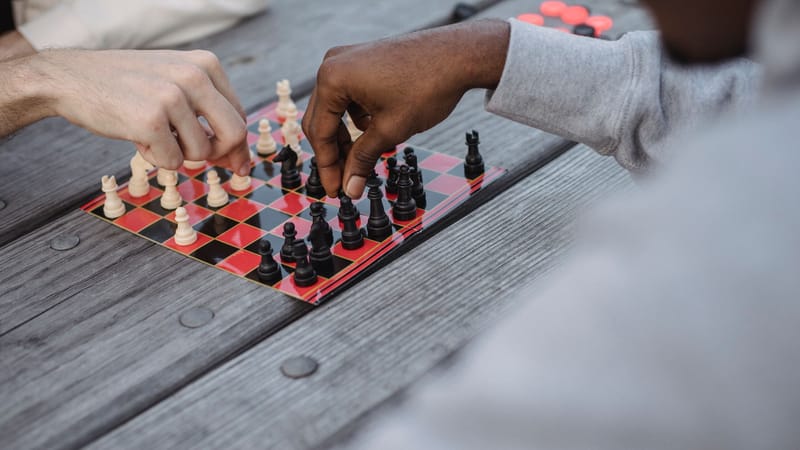
Myth check
Does Chess Make You Smarter? What the Evidence Shows
Chess players score higher on cognitive tests, but teaching chess has not been shown to raise intelligence or school results. What the trials found.
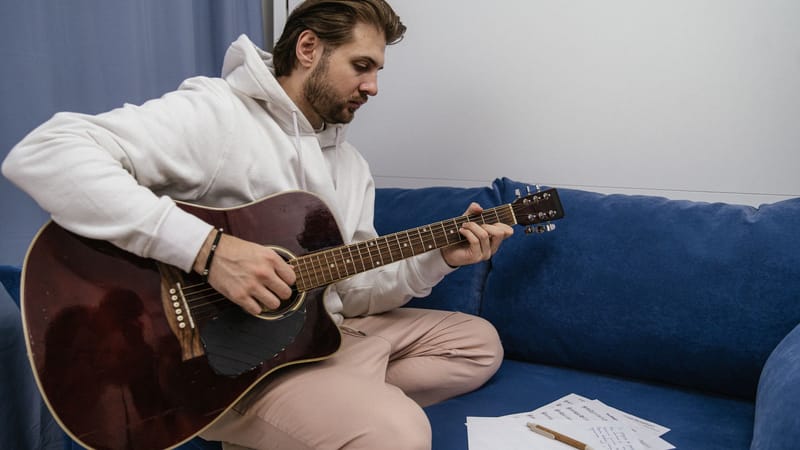
Research review
Does Learning an Instrument Help Your Brain? The Evidence
Musicians score higher on cognitive tests, but randomised music training shows small or no effects beyond music. What the trials and meta-analyses actually found.
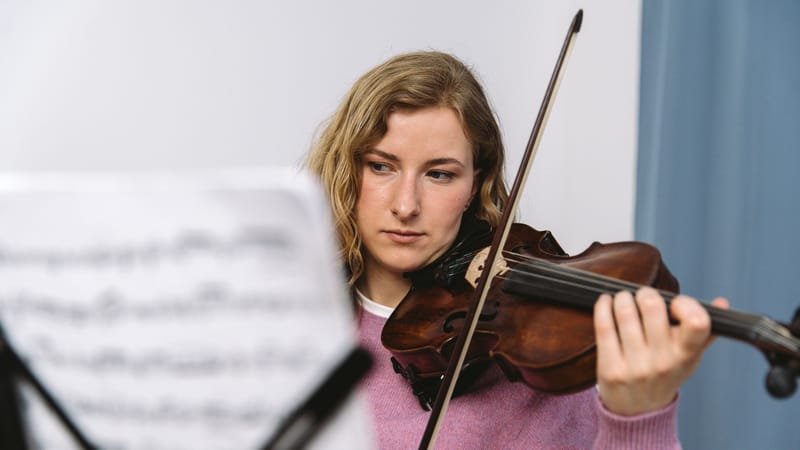
Myth check
Is the 10,000-Hour Rule True? What Practice Research Shows
The 10,000-hour rule grew from a 1993 violin study. What that study found, what later meta-analyses and a replication showed, and what practice explains.