Musical Instrument Learning
Evidence for: musical skill; far transfer mixed
Learning an instrument means training your hands, ears and memory together: reading or memorising music, coordinating your movements and listening closely to correct yourself. Short, focused practice on most days builds musical skill. Evidence for benefits beyond music is mixed and limited, so value it for the music itself.
Who it suits
A good fit if you
- have long wanted to play a particular instrument or kind of music
- can practise 15–30 minutes on most days
- like working on small details and hearing them come together
- would enjoy a skill you can share: playing for friends and family, or in a group
Take care or choose something else if
- you mainly hope to raise school results or intelligence: research on benefits beyond music is mixed
- you have pain or stiffness in your hands, wrists, shoulders or back: ask a teacher about posture, and a doctor or physiotherapist if it persists
- you tend to practise for hours at a time; long sessions without breaks raise the risk of strain
- you get discouraged easily; pick simple pieces you love so early wins come quickly
How to practise
- Choose an instrument you can reach dailyOne you can leave out at home gets played far more than one in a case in the cupboard. Ask a teacher or shop about size and set-up before you buy.
- Get a few lessons earlyEven three or four lessons help you set up posture, hand position and basic technique before habits form. A teacher also gives you feedback you cannot yet give yourself.
- Warm up for a few minutesStart with easy scales, long notes or simple patterns at a slow tempo. Your hands should feel loose, not tense.
- Practise one short passage at a timePick two to four bars. Play them slowly, hands separately if needed, until they are right three times in a row. Slow and accurate feels almost boring; that is the point.
- Raise the tempo in small stepsUse a metronome and go up a few beats per minute only when the passage is clean. If the errors come back, step down again.
- Record and listen backRecord the passage on your phone, listen once, find one specific mistake (a rushed note, an uneven rhythm) and fix only that before moving on.
- End with music you enjoyFinish with a piece you already know, or a short melody you are learning by heart. It keeps practice musical and makes you want to come back tomorrow.
- Stop before your hands tireTake a short break every 20–30 minutes, shake out your hands and change position. Stop if anything hurts.
How much and how often
- Per session
- 15–30 minutes of focused practice, with a short break if you go longer.
- Per week
- Most days. Five short sessions a week usually work better than one long one.
- When to make it harder
- When a passage is clean at the target tempo on two different days, move on to the next one. Choose a slightly harder piece when the current one is secure from start to finish.
A four-week starting plan
- Week 1Lessons or a reliable beginner course. Posture, first notes and one very simple tune. 15 minutes a day.
- Week 2Add a daily warm-up. Learn the tune in short sections, slowly and accurately.
- Week 3Use a metronome to raise the tempo in small steps. Record yourself once this week.
- Week 4Play the tune from start to finish, then from memory if you can. Choose the next piece, with your teacher if you have one.
A sample session
- 0–3 minTune up, check your posture, then slow scales or long notes.
- 3–10 minTechnique: one short exercise or pattern from your lesson, slowly and evenly.
- 10–17 minNew passage: two to four bars, slowly, hands separately if needed, then together until right three times in a row.
- 17–20 minRecord the passage, listen once and write down one thing to fix next time.
- 20–25 minPlay something you enjoy, or a short melody from memory.
Beginner, intermediate and advanced
Beginner
Short daily sessions, simple tunes, slow tempos and regular lessons. Goal: comfortable posture and accurate notes.
Intermediate
Pieces with harder rhythms or both hands, metronome work, regular recordings and short pieces learned by heart.
Advanced
Longer repertoire, careful listening for tone and timing, playing with others or performing, and practice planned around specific weaknesses with a teacher.
How to track your progress
- Keep a simple practice log: date, minutes, what you worked on and the metronome tempo at which the passage was clean.
- Compare recordings of the same piece a few weeks apart. Listen for steadier rhythm, fewer stops and clearer notes.
- Count the pieces you can play from start to finish, and those you can play from memory.
- Read all of this as musical progress. Do not expect changes in memory, school marks or general thinking from it.
Common mistakes
- Playing only what you already knowSpend most of the session on the passage you cannot play yet, and keep the easy pieces for the end.
- Practising fast with the same mistakesSlow down until it is correct. Repeating an error practises the error.
- One long session a weekShort, regular sessions on most days help more and strain your hands less.
- Ignoring posture and tensionCheck shoulders, wrists and jaw as you play. A teacher can spot problems early.
- Never listening backYou hear yourself differently while playing. Record a short passage once or twice a week.
There is good reason to practise well and often. Across 13 studies of 788 musicians, the amount of task-relevant practice was strongly linked with objectively assessed musical achievement. This is a correlation, not a training trial, so it does not show how much practice causes how much progress, but it fits the everyday experience that focused practice is what builds skill.
Effects beyond music are less clear. Meta-analyses of music training in children disagree: one found no effect on cognitive or academic skills once study quality was taken into account, while another, limited to instrument programmes, found a small benefit and said well-conducted studies are still scarce. The evidence is limited (E3), so LaserMind presents learning an instrument as a musical skill worth having for itself.
What the research says
Last evidence check 2026-10Across 13 studies of 788 musicians, the amount of task-relevant practice was strongly linked with objectively assessed musical achievement; this is a correlation, not a training trial. Trained task [1]
Meta-analyses of music training in children disagree: one found no effect on cognitive or academic skills once study quality was taken into account, while another, limited to instrument programmes, found a small benefit and said well-conducted studies are still scarce. Other abilities [2][3]
References
- Platz, F., Kopiez, R., Lehmann, A. C., & Wolf, A. (2014). The influence of deliberate practice on musical achievement: A meta-analysis. Frontiers in Psychology, 5, 646. https://doi.org/10.3389/fpsyg.2014.00646
- Sala, G., & Gobet, F. (2020). Cognitive and academic benefits of music training with children: A multilevel meta-analysis. Memory & Cognition, 48(8), 1429–1441. https://doi.org/10.3758/s13421-020-01060-2
- Román-Caballero, R., Vadillo, M. A., Trainor, L. J., & Lupiáñez, J. (2022). Please don't stop the music: A meta-analysis of the cognitive and academic benefits of instrumental musical training in childhood and adolescence. Educational Research Review, 35, 100436. https://doi.org/10.1016/j.edurev.2022.100436
Safety
Set up a comfortable posture, warm up and take short breaks. Stop if your hands, wrists, neck or back ache, and see a doctor or physiotherapist if pain, tingling or numbness keeps coming back. Keep amplifier and headphone volume moderate to protect your hearing, and use earplugs for loud instruments or band practice.
Frequently asked questions
Am I too old to start?
No. People take up instruments at every age. Progress depends mostly on regular, focused practice and good guidance, so set realistic goals and enjoy the early pieces.
Do I need a teacher?
It helps a lot early on, for posture and feedback. If lessons are not possible, use a structured beginner course and record yourself often.
Will music lessons make my child smarter?
They build musical skill. Studies in children disagree about effects on other skills: one analysis found none once study quality was considered, another a small benefit. Choose music for the music.
How much should I practise?
As a starting point, 15–30 minutes on most days. Quality matters more than hours: slow, accurate work on the hard parts.
Related methods
How to practise
Guided practice
Practise with the steps on this page — no app needed.
Log it in ReflectionRelated reading
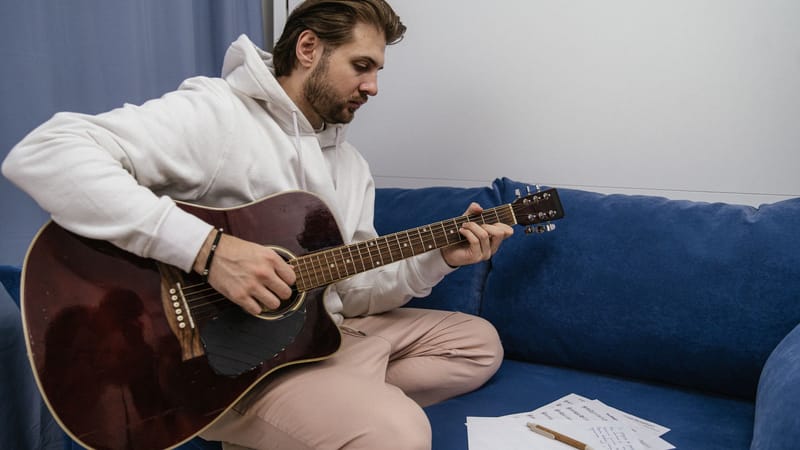
Research review
Does Learning an Instrument Help Your Brain? The Evidence
Musicians score higher on cognitive tests, but randomised music training shows small or no effects beyond music. What the trials and meta-analyses actually found.
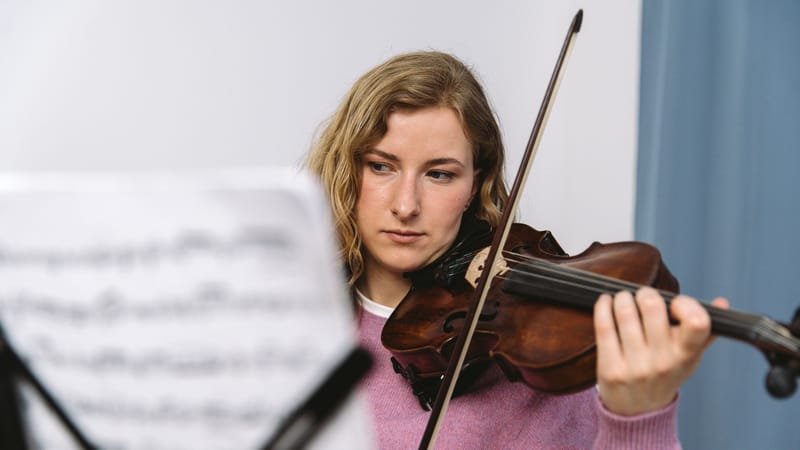
Myth check
Is the 10,000-Hour Rule True? What Practice Research Shows
The 10,000-hour rule grew from a 1993 violin study. What that study found, what later meta-analyses and a replication showed, and what practice explains.
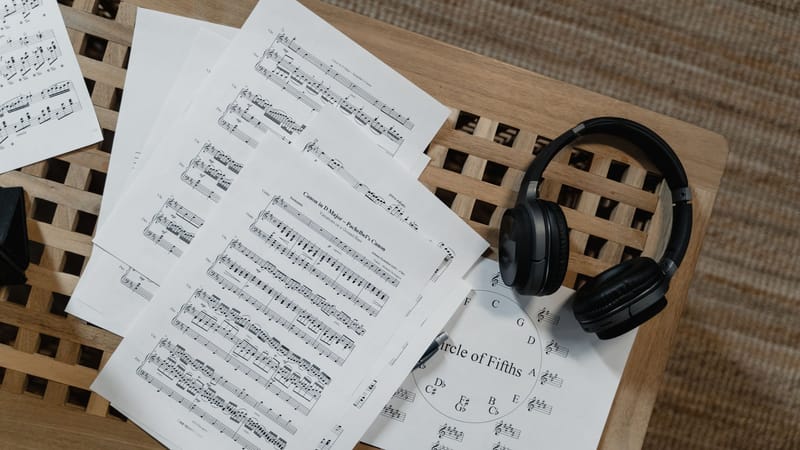
Common myths
Is the Mozart Effect Real? What the Studies Actually Found
What the 1993 Mozart study really tested, why the short-lived lift comes from mood and arousal, not Mozart, and how listening differs from learning to play.