Pattern Logic
Conditional evidence · Evidence for: rule-based reasoning practice
Pattern Logic...
Reading your results
Compared with yourself: personal best and your recent sessions. Optional leaderboards (opt-in, per device type) show practice scores on this exercise; we never compare you with “the population” or convert scores into IQ. Response times depend on your device and browser, so compare results on the same device.
How it works on LaserMind
- Numbers mode shows the first terms of a sequence; choose what comes next from 4 options. Matrices mode shows a 3×3 grid of shapes with the last cell missing and 6 options.
- There is no timer. After each answer the rule is shown, so a wrong answer still teaches you the pattern.
- Every 4 puzzles the level changes: up after 4 right, down after 2 or fewer. Levels range from adding a constant to combined rules.
- Each puzzle is checked so that only one option fits every rule the sequence could follow.
- A session has 12 puzzles. Your main number is a score: the sum of the levels of the puzzles you solved, so harder puzzles count more.
What does this train?
Part of the method Logic Puzzles. On the web you answer for real, so we can measure accuracy and response time. A YouTube video can only ask you to score yourself.
What the research says
Last evidence check 2026-10In the ACTIVE trial with adults aged 65–94, ten sessions of training in solving problems that follow a serial pattern improved reasoning, with gains lasting two years and no detected effect on everyday functioning. Trained task [1]
Ten years later, the reasoning-trained group still scored somewhat higher on reasoning tests than the untrained control group. Trained task [2]
References
- Ball, K., Berch, D. B., Helmers, K. F., et al. (2002). Effects of cognitive training interventions with older adults: A randomized controlled trial. JAMA, 288(18), 2271–2281. https://doi.org/10.1001/jama.288.18.2271
- Rebok, G. W., Ball, K., Guey, L. T., et al. (2014). Ten-year effects of the Advanced Cognitive Training for Independent and Vital Elderly cognitive training trial on cognition and everyday functioning in older adults. Journal of the American Geriatrics Society, 62(1), 16–24. https://doi.org/10.1111/jgs.12607
Related methods and reading
Related reading

Reasoning explained
Inductive vs Deductive vs Abductive Reasoning, with Examples
Deductive, inductive and abductive reasoning explained with three worked puzzles, a comparison table, the Wason selection task and belief bias.
Myth check
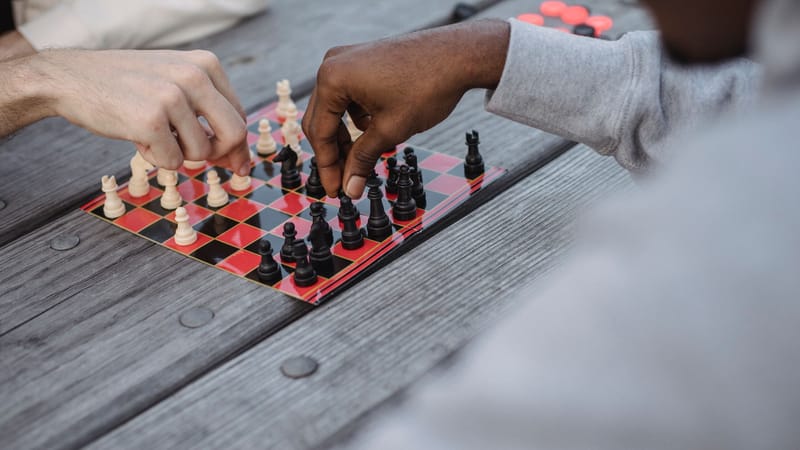
Does Chess Make You Smarter? What the Evidence Shows
Chess players score higher on cognitive tests, but teaching chess has not been shown to raise intelligence or school results. What the trials found.
Puzzle strategies
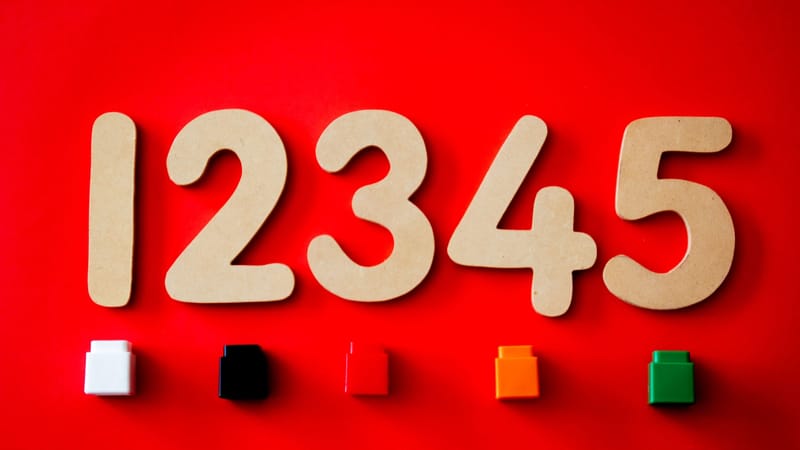
Number Sequence Puzzles: How to Find the Pattern
How to solve number sequence puzzles: check differences, ratios and alternating terms, test the rule on every number, and practise with worked answers.