Scene Recall
Limited evidence · Evidence for: this picture-memory practice task (practice on the task itself; not a test of everyday memory)
Scene Recall...
Reading your results
Compared with yourself: personal best and your recent sessions. Optional leaderboards (opt-in, per device type) show practice scores on this exercise; we never compare you with “the population” or convert scores into IQ. Response times depend on your device and browser, so compare results on the same device.
How it works on LaserMind
- Each session has three pictures. Study each one for 12 seconds (level 1), 8 seconds (level 2) or 5 seconds (level 3); then it disappears and four questions follow.
- Questions ask what was there, colours and details; from level 2 also which side something was on and things at the edges; level 3 adds counting.
- All four right moves you up a level; one or none right moves you down. Some pictures may appear mirrored, and the left/right answers follow the mirror.
- The pictures are the first pictures of our Spot the Difference game. Questions never ask about the details changed in that game. A picture you have already seen is labelled.
- Your record is the number of right answers out of 12, counted only when all three pictures were new to you and the tab stayed open while you studied.
What does this train?
Part of the method Delayed Recall. On the web you answer for real, so we can measure accuracy and response time. A YouTube video can only ask you to score yourself.
Related methods and reading
Related reading
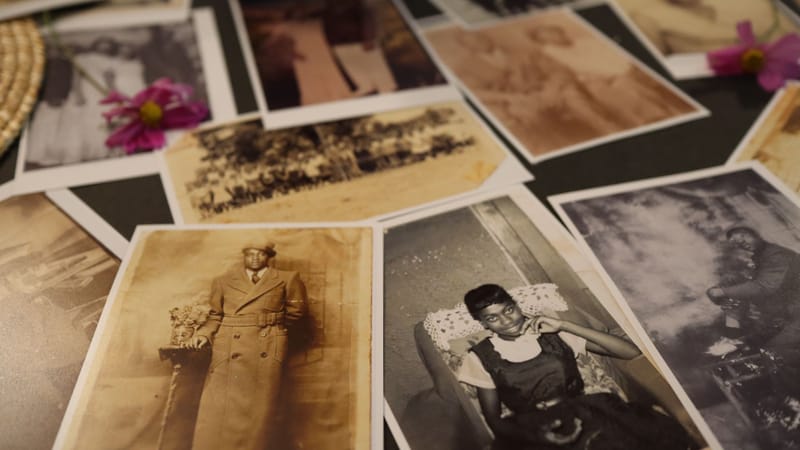
Memory explained
How false memories form: what the research shows
Three ways false memories form in research: word-list errors, misleading information and suggested events. With a short demonstration and the limits of lab findings.

Perception explained
How Visual Perception Works: Figure, Ground and Search
How your visual system groups features into objects, separates figure from ground, uses scene gist to search, and why clutter hides things.
Practical guide
How to Improve Observation Skills: Notice More Details
How to improve observation skills: decide what to look for, scan in a fixed order, name what you see and check yourself. Why we miss things, and what research shows.